The Death of Cable Subscriptions
- ZavoBox Team
- Insight,Industry
- 10 Mar, 2025
The cable model is broken. Here's why people are leaving.
For decades, cable companies operated as regional monopolies. You paid what they asked, bundled channels you didn't want, and accepted annual price hikes with no real alternative. That era is ending — fast.
The numbers tell the story
According to industry data:
- US cable subscriptions have dropped from 100M households in 2015 to under 50M in 2025
- The average monthly cable bill now exceeds $180/month in major markets
- 68% of cord-cutters say they'll never return to traditional cable
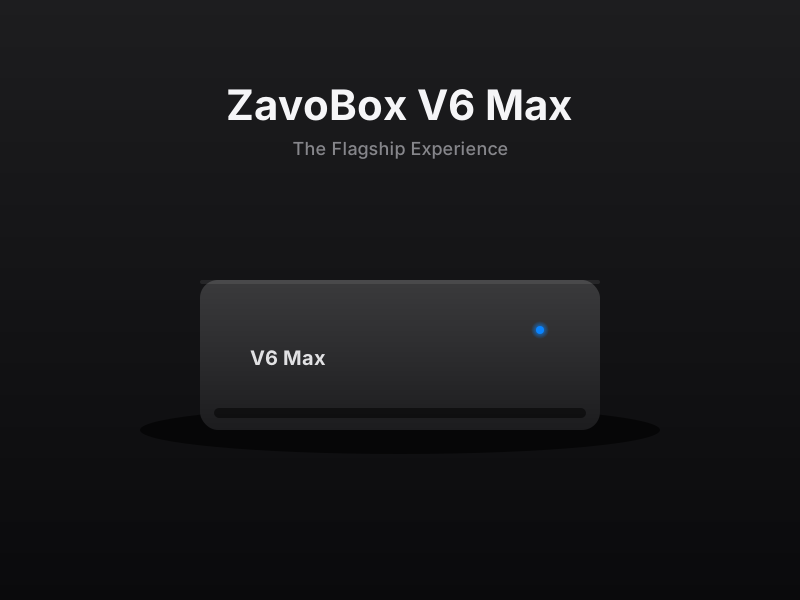
- Hardware-based streaming solutions like ZavoBox have grown 300% year-over-year
Why people are switching
1. Cost savings are impossible to ignore
At $150–$200/month, cable costs $1,800–$2,400 per year. A one-time purchase of a ZavoBox pays for itself in under 4 months. Over three years, you're saving $5,000–$7,000.
2. Content is better elsewhere
Cable forces you into rigid packages. With ZavoBox-style hardware, you access:
- Global channels not available through any cable package
- On-demand libraries with no per-view fees
- Live sports without premium tier surcharges
- International content from any region you choose
3. Technology has caught up
Ten years ago, streaming was pixelated and unreliable. Today:
- WiFi 6 and fiber internet make buffering rare
- AV1 and H.265 codecs deliver 4K/8K HDR at lower bitrates
- Android TV OS provides a mature, app-rich ecosystem
- Voice remotes and intuitive interfaces mean anyone can use them
4. No contracts, no hidden fees
Cable companies lock you into 12-24 month contracts with early termination fees, equipment rental charges ($15/mo for a "free" box), and surprise broadcast TV surcharges ($25+/mo). ZavoBox? One payment. Yours forever.
The psychological shift
What changed isn't just technology — it's consumer mindset. People now expect:
- Ownership over rental — Buy the device, don't lease it
- Global over local — Why limit yourself to one country's programming?
- Flexibility over commitment — Cancel anytime... except there's nothing to cancel because you own the hardware
Is this the end of cable?
Not immediately. Cable still holds advantages in some areas:
- Reliable live local news coverage
- Integrated DVR with no setup required
- Internet bundle discounts (though these are shrinking)
But the trajectory is clear. By 2030, analysts project fewer than 20M US households will maintain traditional cable subscriptions. The rest will be using hardware-based solutions, pure streaming services, or hybrid setups.
Your move
If you're still paying $150+/month for cable, ask yourself: what would you do with an extra $1,800 a year?